
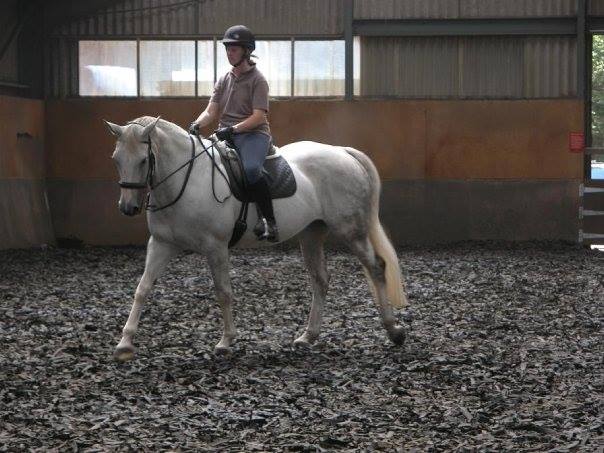
If your horse feels heavy, inconsistent, resistant, or “fussy” in the contact, it’s easy to assume training is the issue. But in many cases, the root cause is something physical or tack-related—not behavioural.
Here are the most common reasons horses struggle with contact, and what you can do about it.
1. Mouth Discomfort or Bit Pressure
When the bit is too thick, too thin, the wrong shape, or sitting incorrectly, horses often react by:
Raising the head
Dropping behind the contact
Grabbing the bit
Chomping or grinding
Tossing the head
A professional bit fitting can quickly identify the source of pressure and relieve it.
2. Bridle Pressure on Sensitive Areas
Incorrect browband or headpiece sizing can press on nerve networks around the poll and ears.
Signs include:
Ear pinning
Head tilting
Inconsistent bend
Resistance to being bridled
Small adjustments can make a big difference.
3. Dental or Physical Issues
Even a perfectly fitted bridle won’t mask genuine discomfort.
Look out for:
Sharp teeth
Wolf teeth
TMJ tension
Poll restriction
Back or saddle discomfort
If Ruth spots something that looks physical rather than tack-related, she’ll advise you to contact your vet, physio, or dentist.
4. Training & Contact Expectations
Sometimes horses simply need clearer communication and time to understand the aids.
But discomfort should always be ruled out first—comfort creates trust.
5. How a Consultation Can Help
A bit and bridle fitting assesses:
Oral shape
Head conformation
Existing tack
Contact quality
Horse behaviour
Ridden or in-hand balance
You’ll leave with a clearer understanding of what your horse needs and how to improve comfort and communication.

Author
Ruth Fisher
Ruth Fisher